
Common Appliance Problems in Somerville Homes
When a refrigerator stops cooling in a third-floor apartment on a July afternoon, the clock starts fast. There is no garage to store perishables, no spare fridge in the basement—just a narrow kitchen and a growing puddle of condensation on the floor. That kind of urgency is routine in Somerville, where roughly 4.1 square miles of tightly packed housing means most appliance failures hit hard and hit close.
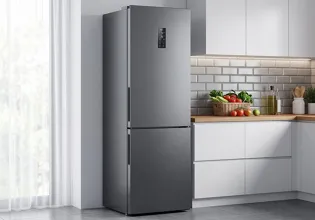
- Refrigerators that run constantly but never get cold enough—often the condenser coils are caked with dust, especially in kitchens with limited airflow behind the unit.
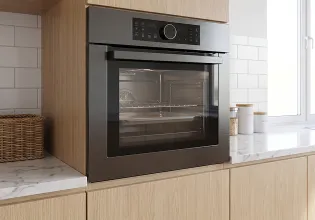
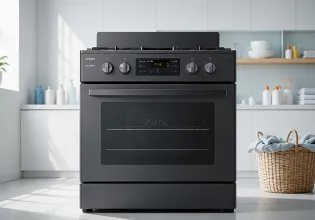
- Gas ovens and stoves that won't ignite or heat unevenly. In older triple-deckers, we usually find the igniter has worn out, though sometimes the gas valve itself needs attention.
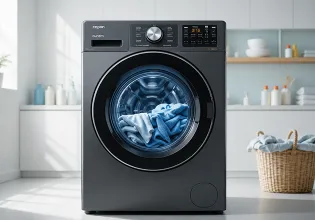
- Washers leaking from the bottom or refusing to drain. Worth checking the drain hose first—basement laundry setups in older homes often have hoses that kink where they meet the standpipe.
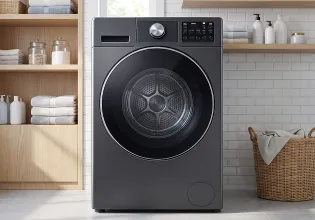
- Dryers that tumble but produce no heat. Sometimes it is the heating element; other times the vent run is simply too long, snaking through walls or up through multiple floors before reaching the exterior.
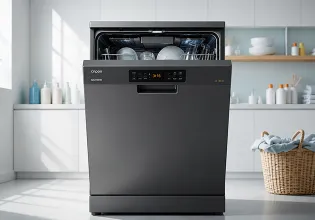
- Dishwashers leaving standing water at the end of a cycle, or dishes still dirty. A clogged filter is the easy fix, but in some Somerville kitchens the drain line shares plumbing with the sink disposal, and that connection can back up.
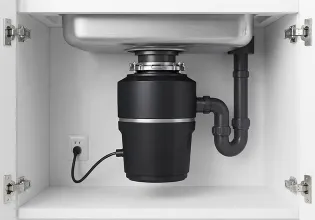
- Garbage disposals that hum without spinning—usually a jam, but occasionally the motor has burned out after years of use.
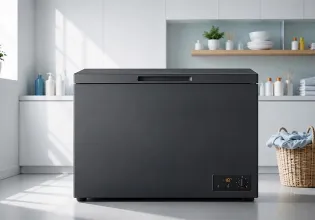
- Freezers building excess frost or warming into the danger zone. Chest freezers tucked into unheated porches or basements can struggle when seals crack.
Local Utility, Permit, Safety, and Disposal Factors in Somerville
If an appliance repair crosses into replacement territory—or if the job involves new wiring, a gas connection, or a plumbing hookup—Somerville has specific rules you should know before anyone starts work.
The city's Somerville Inspectional Services Department handles building, electrical, gas, and plumbing permits. Gas permits are required for any work on gas-connected appliances, including stoves, ovens, and gas dryers. If a new dishwasher or washing machine installation changes supply or drain lines, the installer needs a plumbing permit. Electrical permits apply whenever new or altered wiring is part of the job. Before you sign off on a replacement, ask the contractor whether they plan to pull a permit. That one question can save you from code violations down the road.
Massachusetts state law backs this up. Under the Massachusetts State Plumbing Code, plumbing and gas fitting work must be done by licensed professionals. So if someone offers to swap your gas range without a license or a permit, pause. The state requires it, and Somerville enforces it.
Inspectional Services Department
93 Highland Avenue
Somerville, MA 02143
Phone: (617) 625-6600
Official Website
Somerville's water and sewer service comes through the Massachusetts Water Resources Authority, which draws from the Quabbin and Wachusett reservoirs. Dishwashers, washing machines, and garbage disposals all connect to this regional system. When a washer drain backs up or a dishwasher won't fill, the issue is usually inside the appliance or at the local connection point—but knowing the water source matters if you are troubleshooting pressure or sediment problems in an older building with aging internal pipes.
Safety is another piece that comes up often in a city full of multifamily buildings with gas appliances. Somerville requires carbon monoxide detectors in residential units. If you have a gas stove, a gas dryer, or a gas oven, make sure your CO detectors are working—especially after any repair or replacement. The Somerville Fire Department enforces the Massachusetts State Fire Code, which governs venting and clearance standards for gas appliances. Dryer lint buildup and improper venting are recognized fire hazards, and in Somerville's older buildings—where a dryer vent might run through a shared wall or up through a chase to the roof—keeping that path clear is not optional. Check your vent at least once a year.
When an appliance is truly beyond repair, getting rid of it in Somerville is not as simple as dragging it to the curb. The city runs a scheduled Somerville bulk item pickup program through the Department of Public Works, and you need to schedule the pickup in advance. Refrigerators, freezers, washers, dryers, and dishwashers are all accepted, but there are rules: refrigerator and freezer doors must be removed or secured before curbside placement. Freon-containing appliances require proper handling under federal and state regulations. You cannot just leave an old fridge on the sidewalk and hope for the best.
What Makes Appliance Repair in Somerville Different
Somerville is one of the most densely populated cities in Massachusetts, and that density shapes every service call. Most of the housing stock is multifamily—triple-deckers, converted Victorians, older apartment buildings, and newer condos. That means tight kitchens where a full-size refrigerator barely clears the doorframe, basement laundry rooms shared between units, and dryer vents that run longer than they should because the building was never designed for in-unit laundry. Getting a broken washer out of a second-floor unit often involves navigating a narrow stairwell that turns twice before reaching the front door.
The permit structure also sets Somerville apart from less regulated suburbs. The city requires separate gas, electrical, and plumbing permits through its own Inspectional Services Department—not just a general building permit. For a homeowner replacing a gas range in a Davis Square condo or hooking up a new dishwasher in a Winter Hill apartment, that means the contractor has to coordinate with the city directly. Under Massachusetts Consumer Protection Law Chapter 93A, residents also have strong recourse if a repair company engages in deceptive pricing or cuts corners on licensed work. That protection matters in a market where demand is high and not every operator follows the rules.
Appliance Replacement and Household Equipment Considerations in Somerville
When a repair estimate starts approaching the cost of a new machine, the next question is always logistics. In Somerville, replacement is rarely just about picking a model and scheduling delivery. Start with access: can the new appliance actually fit through the building's entryway, up the stairs, and into the kitchen or laundry closet? Measure the doorways and stair turns before ordering. Many older Somerville homes have interior doors that are narrower than modern standard-width appliances.
If the new appliance runs on gas, the installer has to pull a gas permit through the Somerville Inspectional Services Department before connecting it. Electrical permits apply when the installation involves new or altered wiring—common when upgrading from a gas dryer to an electric one, or adding a dedicated circuit for a new dishwasher. Ask your installer to confirm the permit is in hand before work begins. If you are in a condo, check with your association first; some buildings require advance notice or elevator reservations for large deliveries.
For the old appliance, schedule your pickup through the Somerville bulk item pickup program before the new one arrives. The city accepts refrigerators, freezers, washers, dryers, and dishwashers, but pickups must be arranged in advance. If you are disposing of a refrigerator or freezer, remember to remove or secure the doors before placing it at the curb—this is a city safety requirement. Freon-containing units need proper handling, so do not attempt to disassemble refrigerant lines yourself.
Department of Public Works
1 Franey Road
Somerville, MA 02145
Phone: (617) 625-6600
Official Website
Areas We Serve Throughout Somerville
Somerville covers approximately 4.1 square miles and is organized into distinct neighborhoods, each with its own housing mix and access quirks. We handle appliance service calls across all of them.
- Davis Square — Condos and apartments above storefronts often have compact kitchens where the dishwasher sits inches from the stove. Tight clearance makes even a simple pull-out repair slower than usual.
- Union Square — Older triple-deckers here frequently have gas stoves original to the building's last renovation. If the burner valves feel stiff, do not force them—call before something cracks.
- Winter Hill — A lot of multifamily housing with shared basement laundry hookups. We often see washer drain issues caused by multiple units sharing a single standpipe.
- East Somerville — Dense apartment blocks with limited street parking, so scheduling matters. Dryer vent runs in these buildings tend to be long, which means lint buildup is a recurring problem.
- West Somerville — More single-family and two-family homes with slightly larger kitchens, but many still have older electrical panels that may not support a modern high-draw appliance without a circuit upgrade.
- Spring Hill — Steep hills and narrow side streets can complicate delivery access. If you are replacing a fridge, confirm your delivery team knows the approach before the truck arrives.
- Prospect Hill — Historic housing stock with kitchens that were built for iceboxes, not full-depth refrigerators. Measure twice before ordering a replacement.
- Ball Square — A mix of renovated and unrenovated units. Renovated condos usually have modern hookups, but the older places still run on original plumbing that can surprise you during a washer install.
- Magoun Square — Triple-deckers and small apartment buildings where dryers often vent through the basement wall. Worth inspecting that vent path annually.
- Teele Square — Close to the Medford line, with a mix of student rentals and owner-occupied homes. Garbage disposals jam frequently in rental units—often from items that should never go down the drain.
- Powder House Square — Larger older homes, some converted to condos. Gas appliance work here usually requires a permit, and the building's gas shutoff may be in a shared utility closet that needs coordination with other units.
- Ten Hills — Residential pocket near the Mystic River with a mix of postwar housing. Freezers in unheated garages or porches can struggle with seal failures, especially through the winter.